2026-04-24
When Drupalists visited the Parthenon Museum
Between sessions at Drupal Developer Days Athens, a group of Drupalists visited the Parthenon Museum. The owl of Athena, Nike, Prometheus, Marathon, and 2,500 years of history.
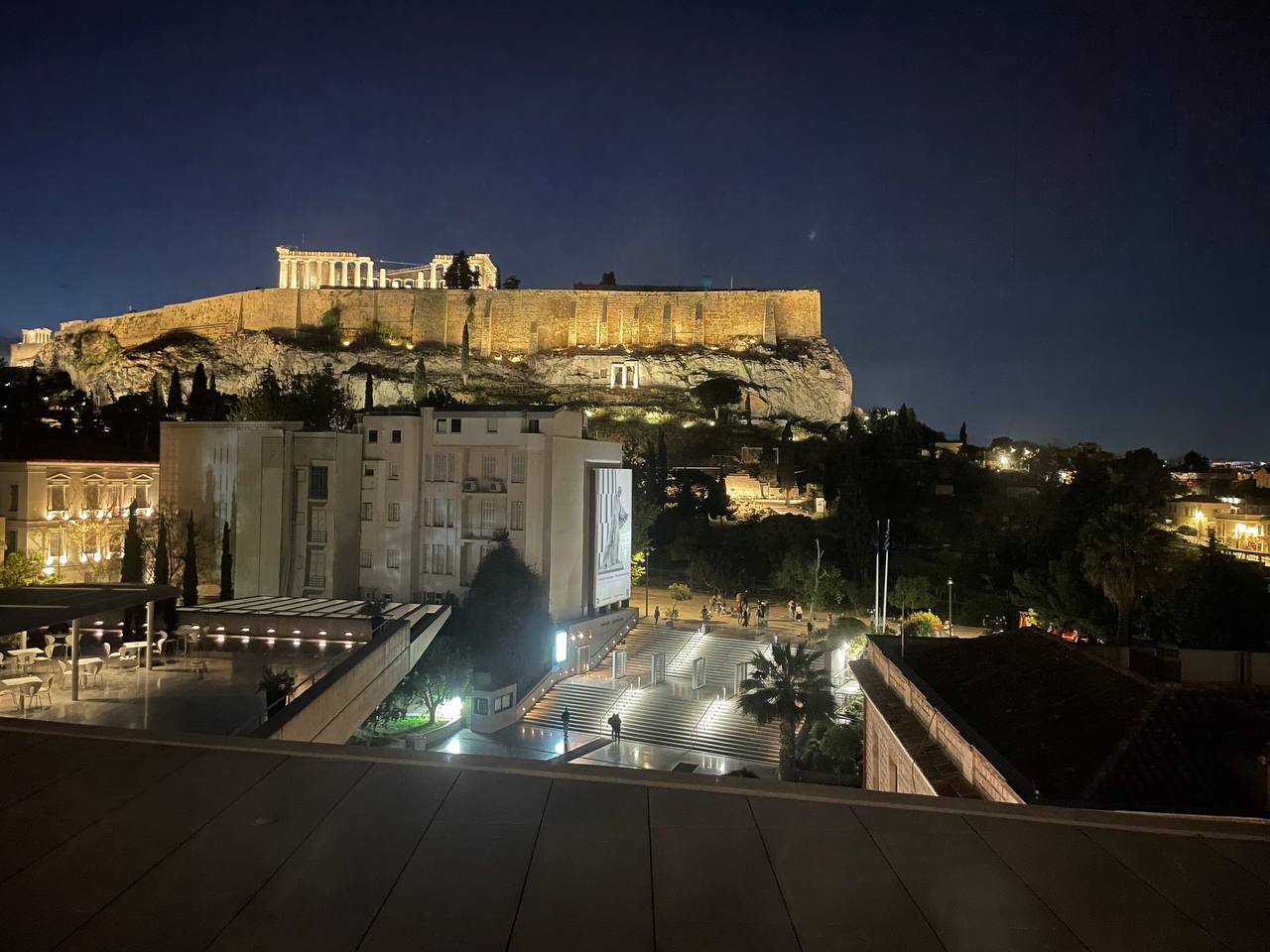
Between sessions at Drupal Developer Days Athens, a group of Drupalists visited the Parthenon Museum. We had just spent days talking about Prometheus giving fire to the people.
The owl of Athena
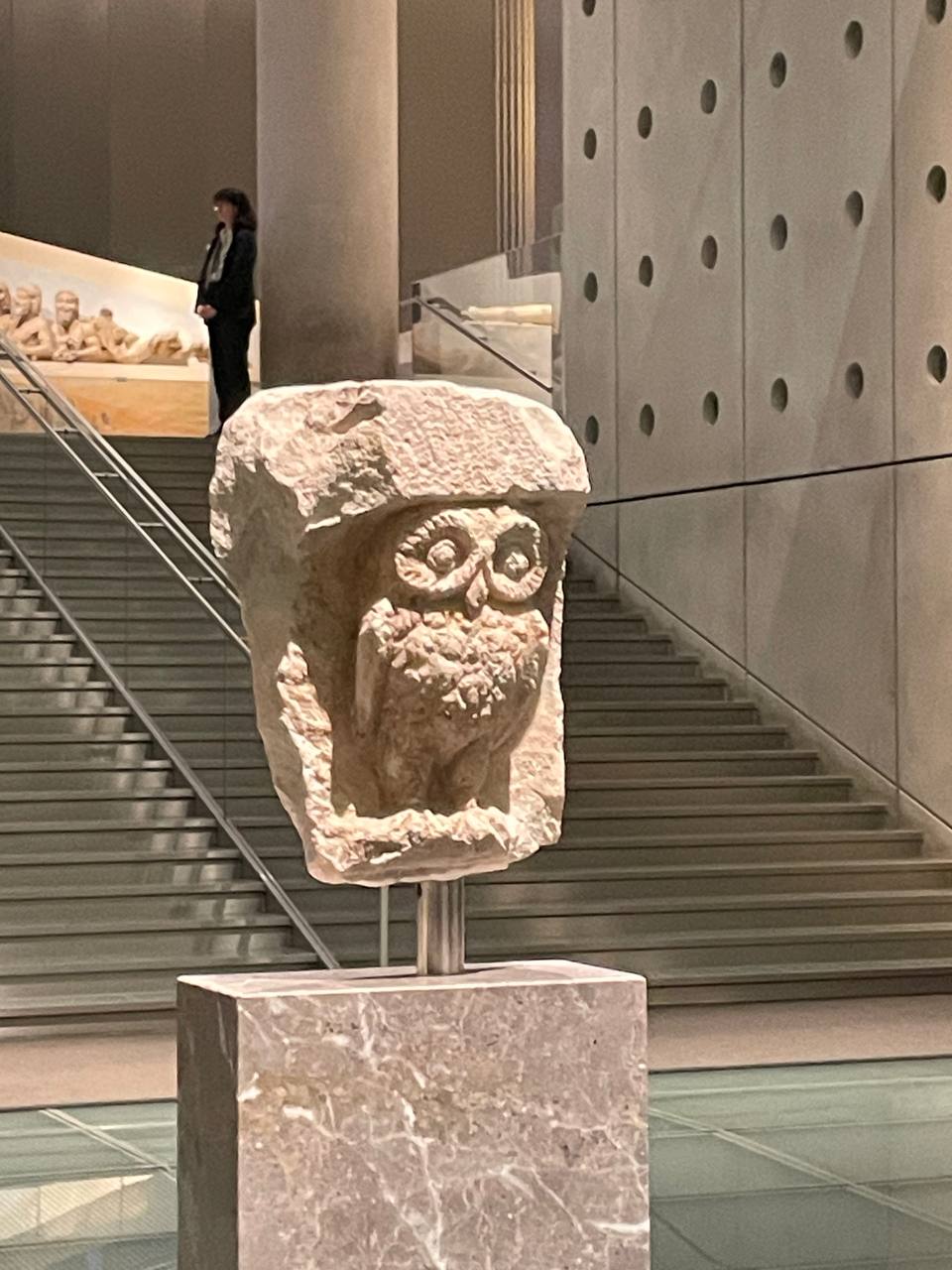
The owl. Symbol of Athena, goddess of wisdom. The emblem of Athens itself. Staring out from a carved stone block with the same wide eyes it had 2,500 years ago. Wisdom is timeless, even if the platforms change.
Nike for victory
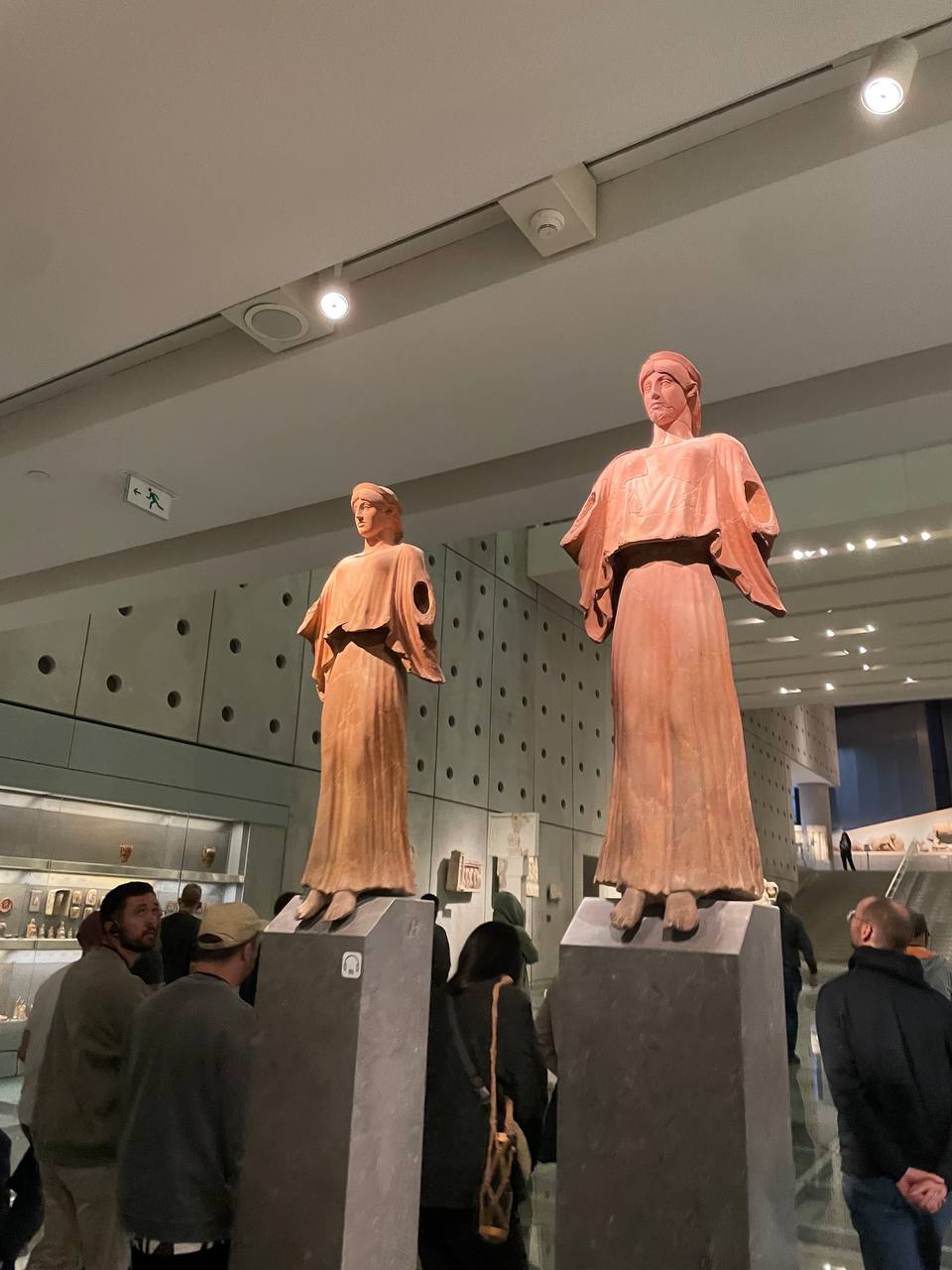
Nike. Goddess of victory. The museum is full of her.
Nike adjusting her sandal
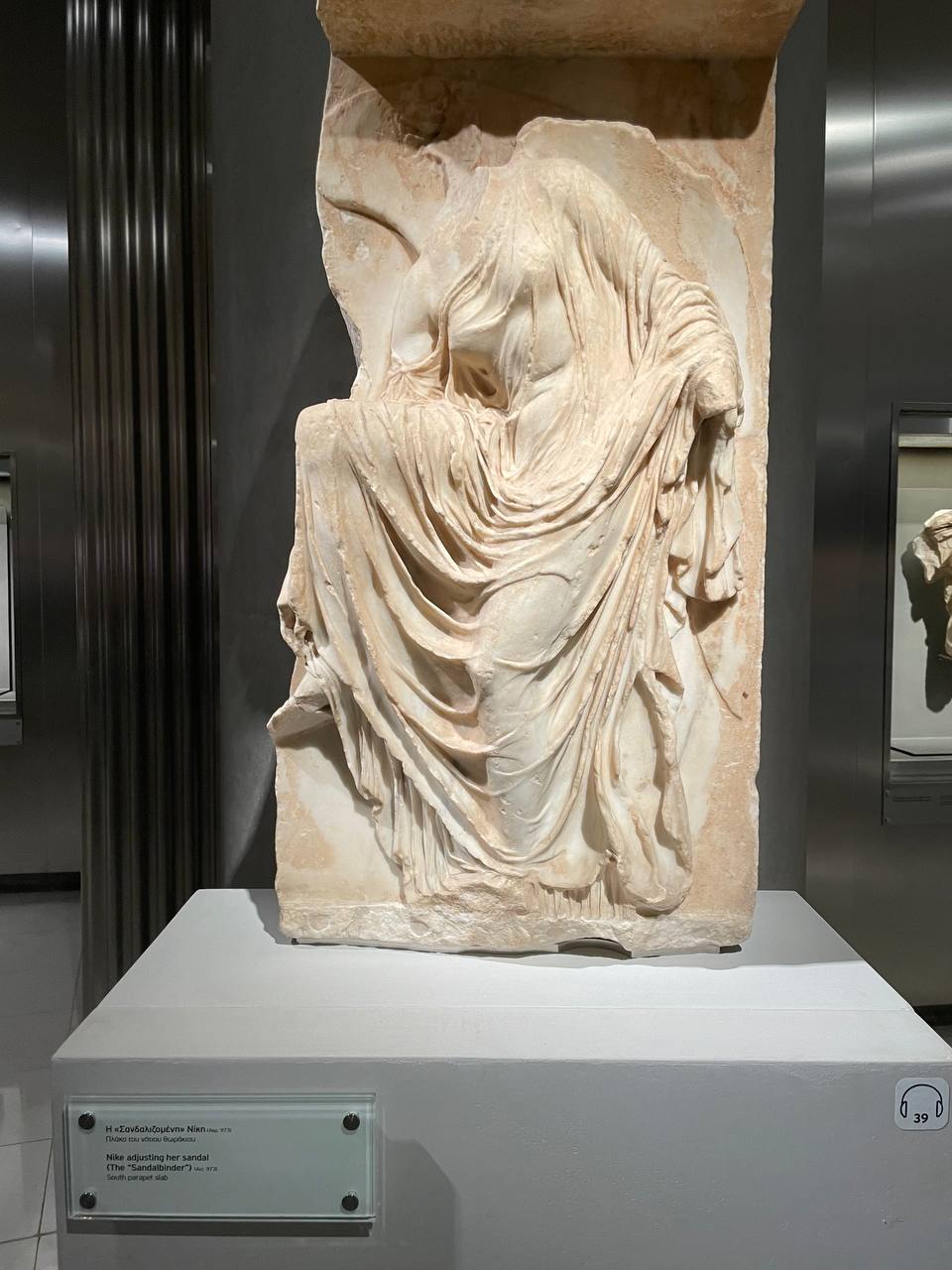
The label says: Nike adjusting her sandal (The Sandalbinder), from the south parapet slab of the Temple of Athena Nike, around 410 BCE. The fabric carved in marble is almost impossibly fluid. The craftsmanship is staggering when you stand in front of it.
And yes, this confirms it is Nike.
The pottery
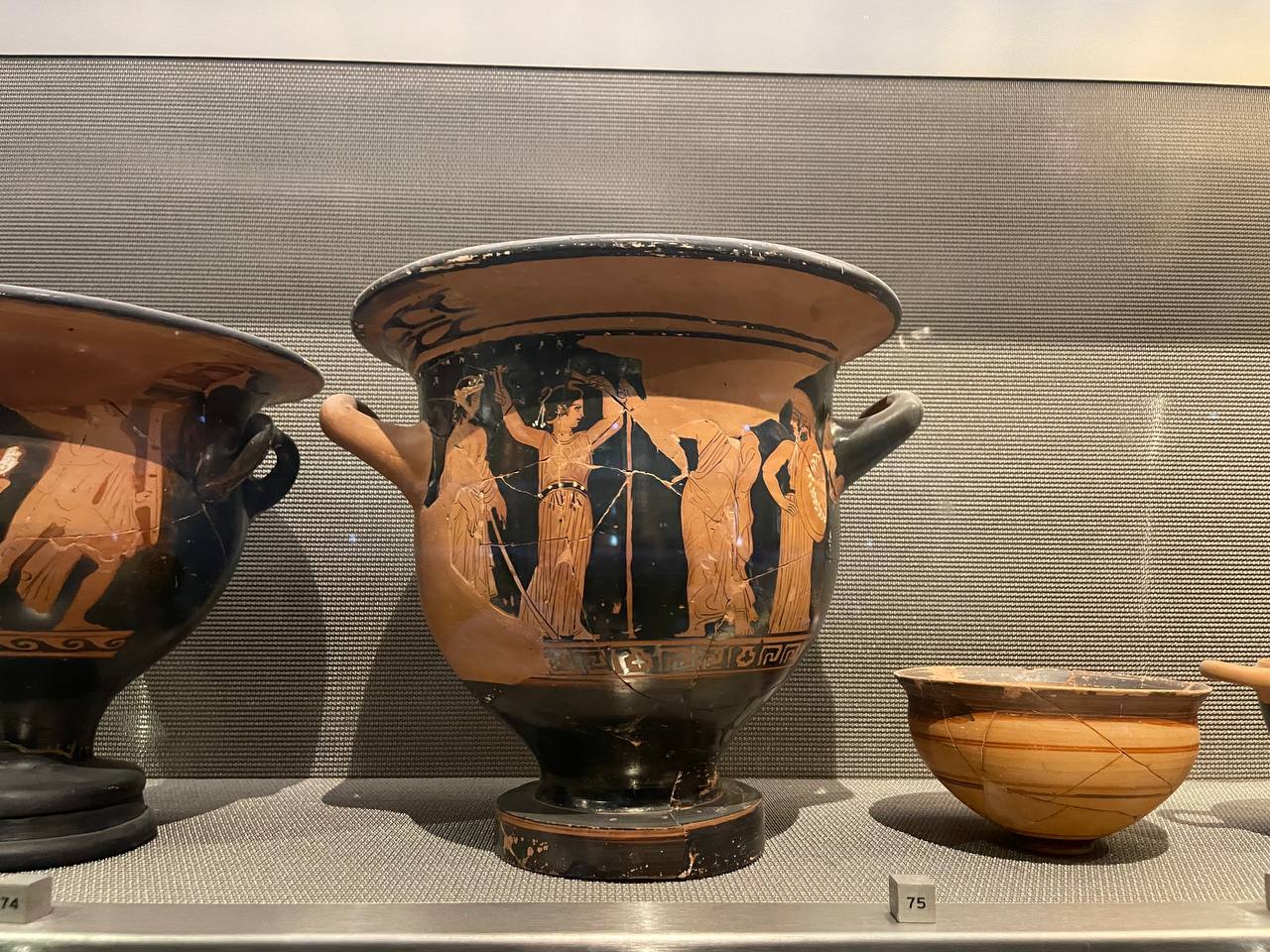
The pottery. Figures caught mid-action, mid-ceremony, mid-story. The Greeks told their big ideas through images long before anyone had a CMS.
📝 I originally labelled this section "Prometheus pottery" but the scene on this krater is not confirmed as Prometheus. Red-figure pottery from this period depicts many myths. If you can identify it, corrections welcome.
Marathon and the resistance against the Persians
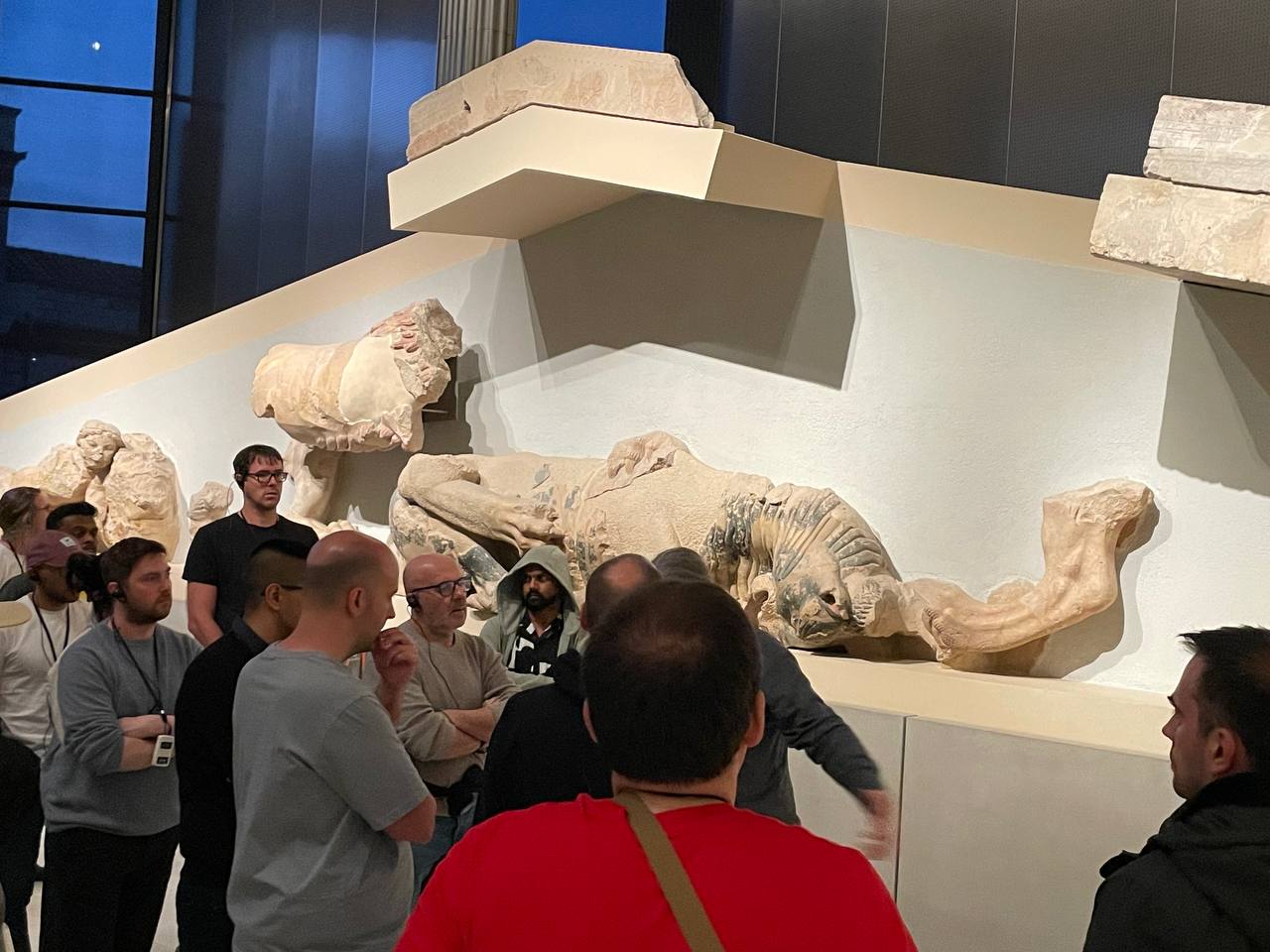
A pediment sculpture depicting battle and resistance. A small, committed group holding against a vastly larger force.
📝 I initially wrote that this pediment depicts the battle of Marathon specifically. That is not accurate. The main Parthenon pediments show the birth of Athena (east) and the contest between Athena and Poseidon (west). Battle scenes appear in the metopes and frieze. The exact scene here I could not confirm from the photo.
Lapith and centaur
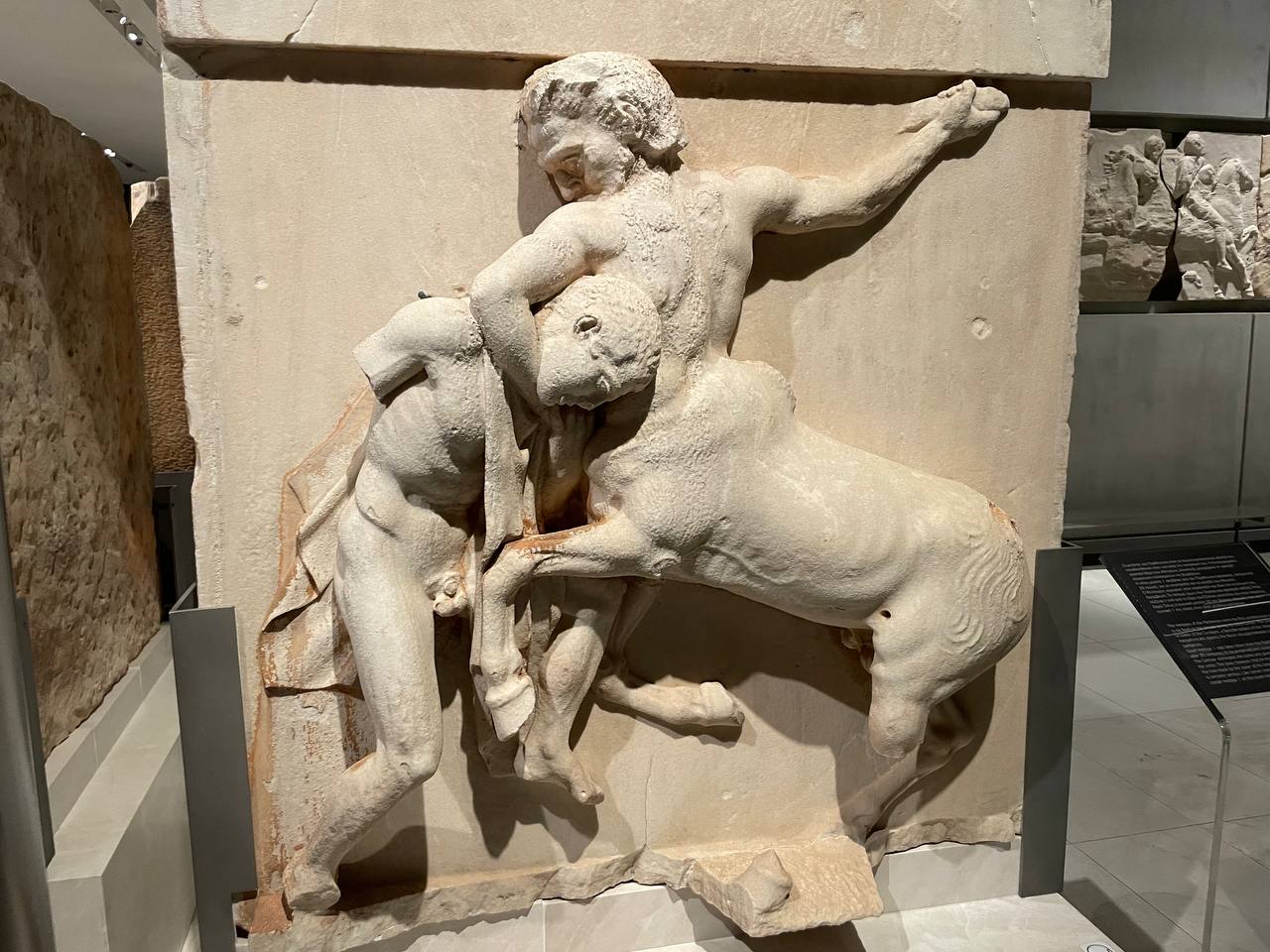
A Lapith overpowering a centaur, from the south metopes of the Parthenon. The Greeks called this the Centauromachy, the battle between civilization and chaos. Look at that grip though. That is a guillotine choke. Turns out BJJ is at least 2,500 years old.
📝 Athena herself is notably absent from our photos, which is ironic given she is the patron of Athens and the entire reason the Parthenon was built in her honour. The museum houses fragments of her giant chryselephantine statue and her image is everywhere in the frieze. Frederik just did not photograph her directly.
On knowledge transfer
We asked our guide about how knowledge was passed between engineers and craftsmen in ancient Athens. His answer was fascinating.
Knowledge was transferred through direct teaching and apprenticeship. You learned by being present, by watching, by doing alongside a master. There were no manuals. No documentation. You travelled to where the knowledge was, and you stayed until you had absorbed it.
People have always travelled for knowledge. The conference circuit, the sprints, the hallway track: none of this is new. The Athenians were doing it 2,500 years ago.
The guide also made a distinction that landed well in a room full of Drupalists. The Greeks, he said, pursued knowledge for its own sake: theoria, the act of contemplating and understanding. The Phoenicians, by contrast, were traders. They used knowledge instrumentally, in service of commerce.
📝 This is a paraphrase from memory, and the guide is Greek, so perhaps take the Phoenician characterisation with a grain of salt. But the distinction between knowledge pursued for understanding versus knowledge pursued for profit is a very old one.
One small disappointment: no statues of Prometheus anywhere in the museum. Given the keynote theme that week, Frederik had been hoping.
The Parthenon Museum is excellent. If you are ever in Athens, it is worth a visit.
Written with assistance from Dobbie, Frederik's AI assistant.