2026-05-26
Three years of Battlefield of Things
For the third year running, I spent a weekend at a Belgian military training site with engineers, radio amateurs, and military specialists at the Battlefield of Things hackathon.
For the third year in a row, I spent a weekend at a Belgian military training site with a group of engineers, radio amateurs, military specialists, and developers. The event is called the Battlefield of Things Hackathon, organised by inno4def. This edition was held at Marche-les-dames, the Belgian commando training site.
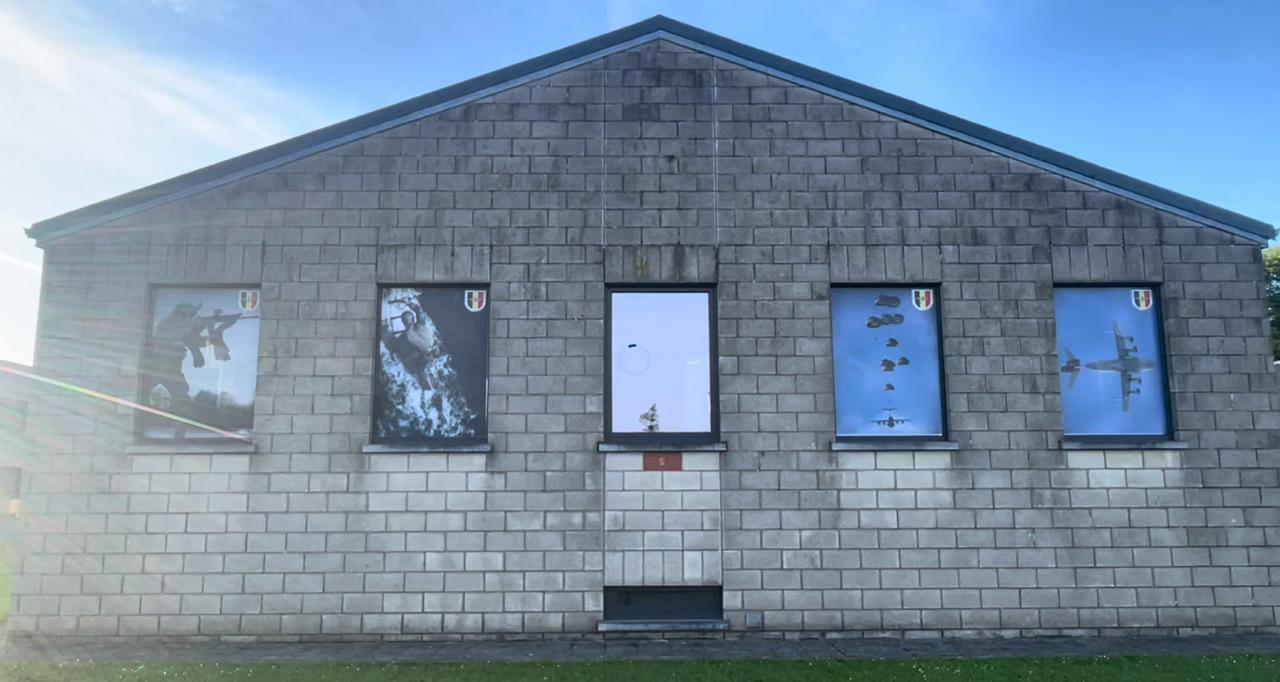
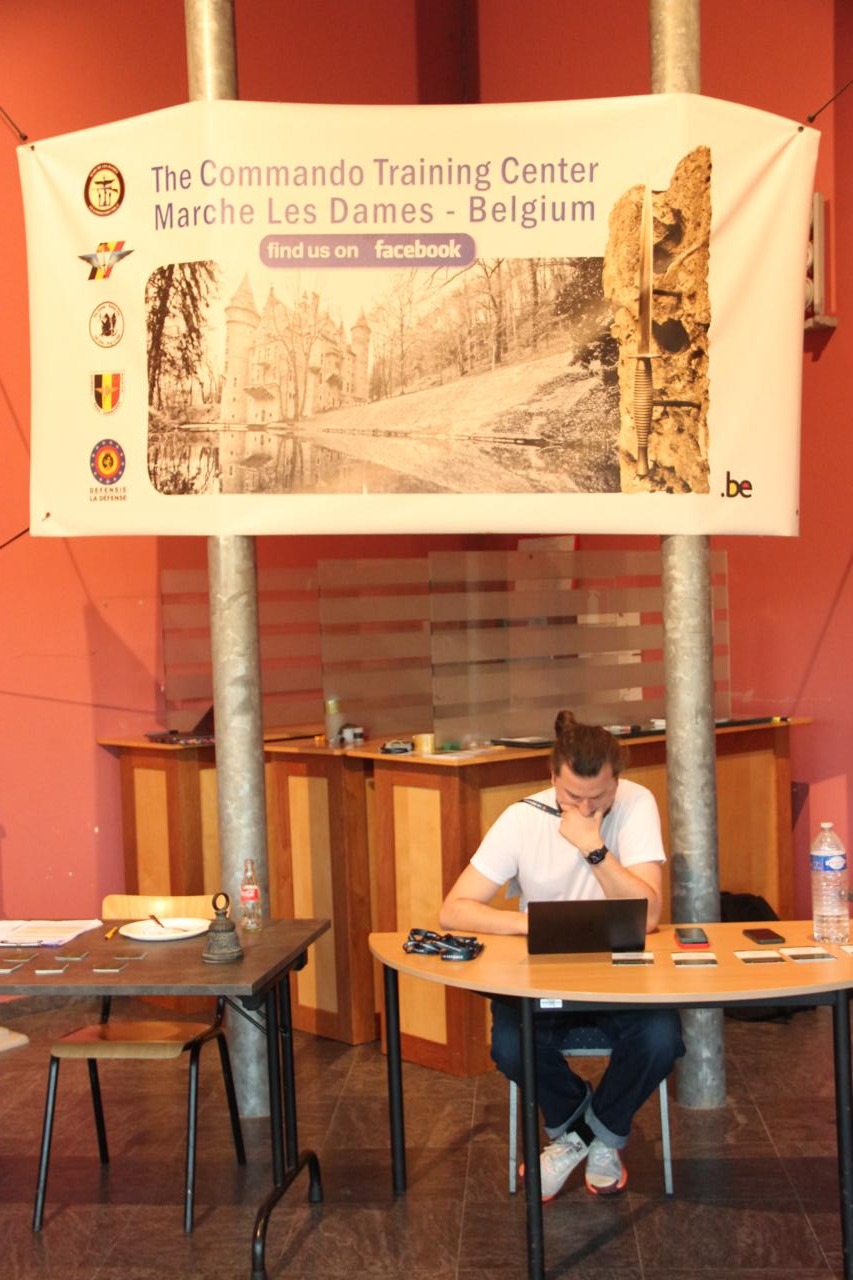
I joined the first edition as a participant, and we almost won. The second edition I came back with Team Stratos and we did win. This year I was there as a reservist, facilitator, and expert. It did not feel like work.
What is the Battlefield of Things?
BoTH is a two-and-a-half-day hackathon focused on electromagnetic warfare. Participants build practical, low-cost solutions from off-the-shelf components, tackling problems identified through workshops with Belgian Defence units.
This year's theme was Trench EW: electromagnetic force protection and detection at the frontline squad level.
What I saw this year
The energy at these events is hard to describe. Antennas and cables everywhere. Improvised workspaces. People debugging radios at 2AM. Continuous conversations about resilience, jamming, autonomy, and communication under pressure.
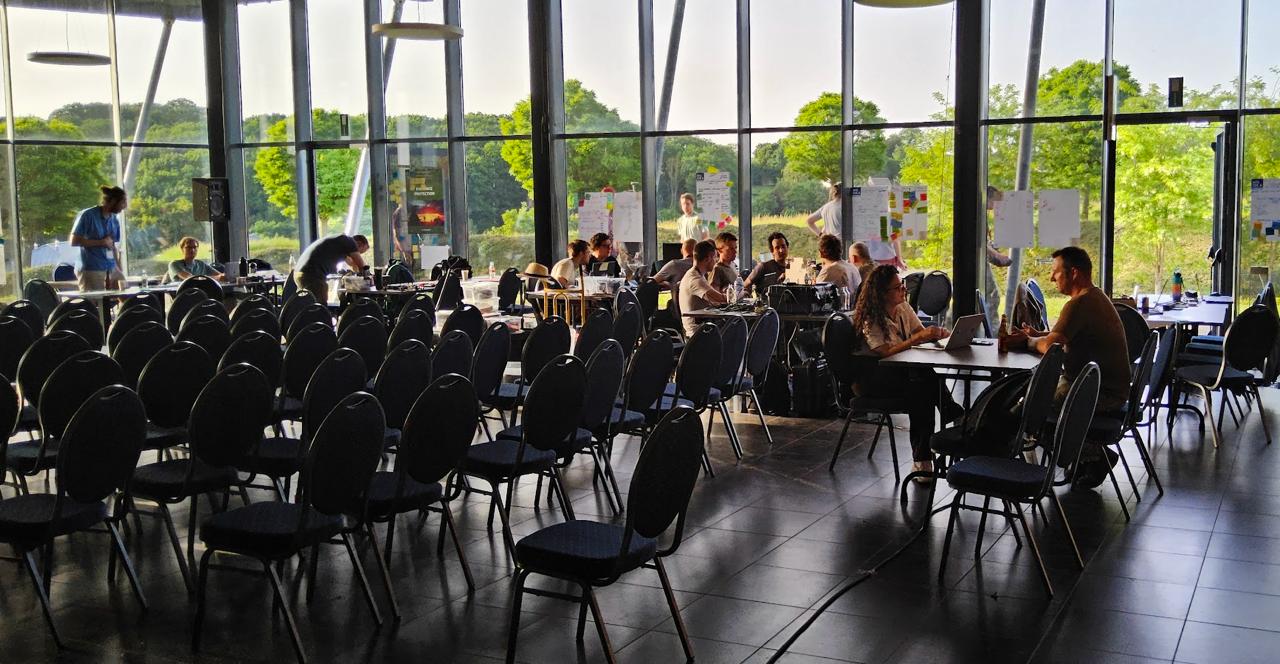
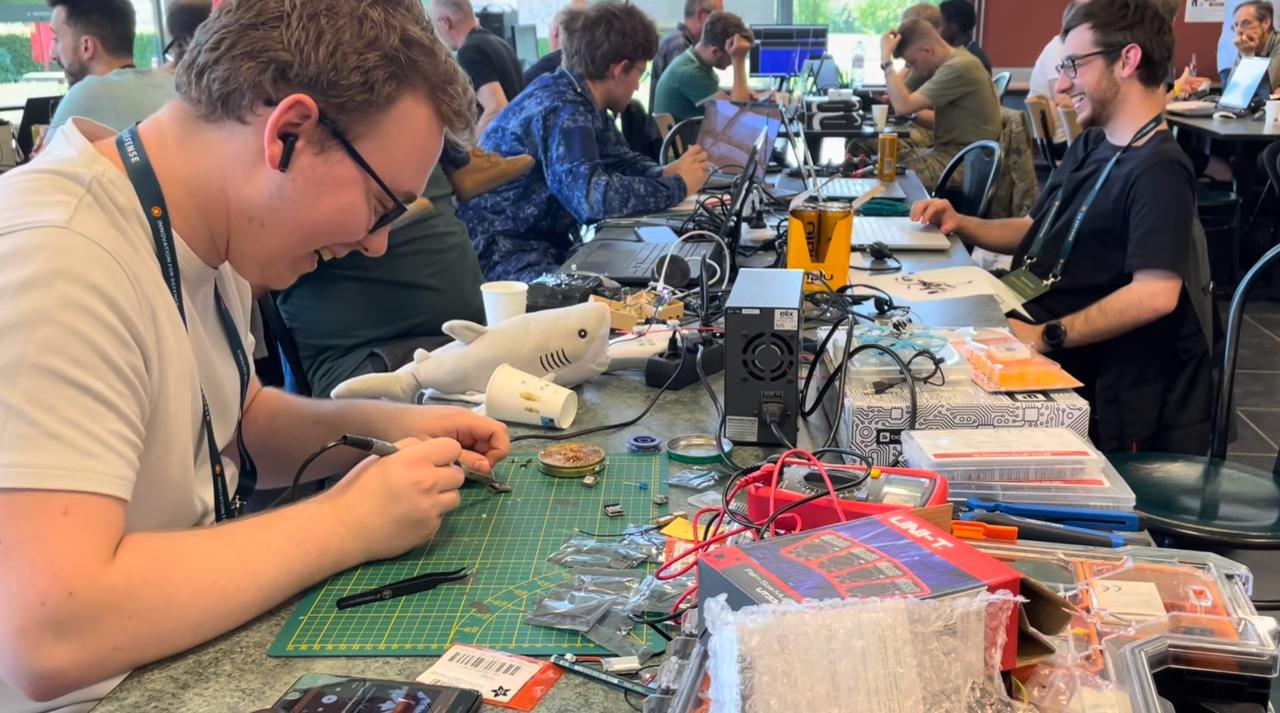
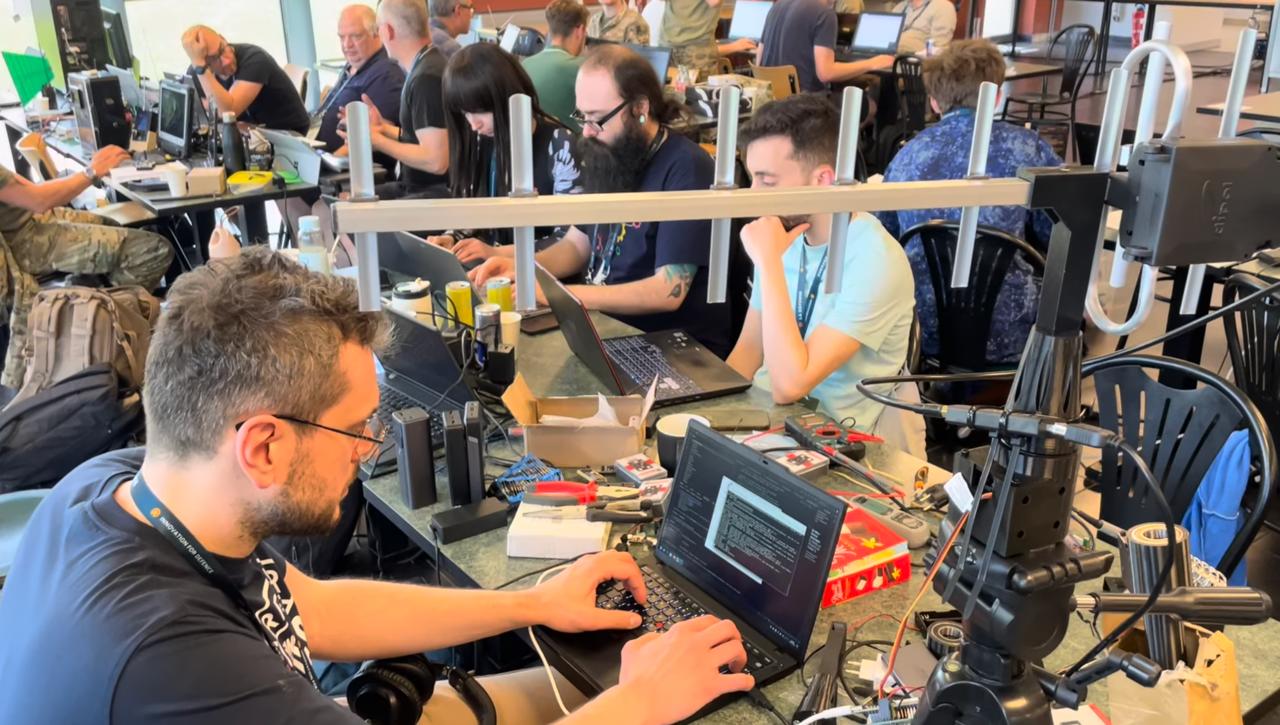
A few things stood out:
- The radio amateurs brought a full radio station with antenna array and satellite uplink, logging and analysing the complete RF spectrum in real time.
- A 5G mast on a Land Rover Defender, complete with test SIM cards. Field-deployable mobile connectivity.
- A jammer that worked a little too well: it made phones think their SIM card was broken. Impressive and slightly terrifying.
- Learning about the PortaPack, a companion board for the HackRF One SDR. Together they form a standalone software-defined radio covering 1 MHz to 6 GHz, no laptop required.
Military specialists, hobbyists, engineers, founders, developers, and Belgian and Ukrainian operators all working together, eating together, having a good time.
The after-movies
I made short documentary-style after-movies for each edition.
BoTH 3 (2026):
BoTH 2 (2025):
BoTH 1 (2024):
Project highlight: Azimut
One team built Azimut, a covert signal intelligence tool that maps RF signal strength on a live map. I helped them with the map component. You can explore the demo here: woutersf.github.io/rfmap/azimut.html (click the buttons for a spectrum visualisation).
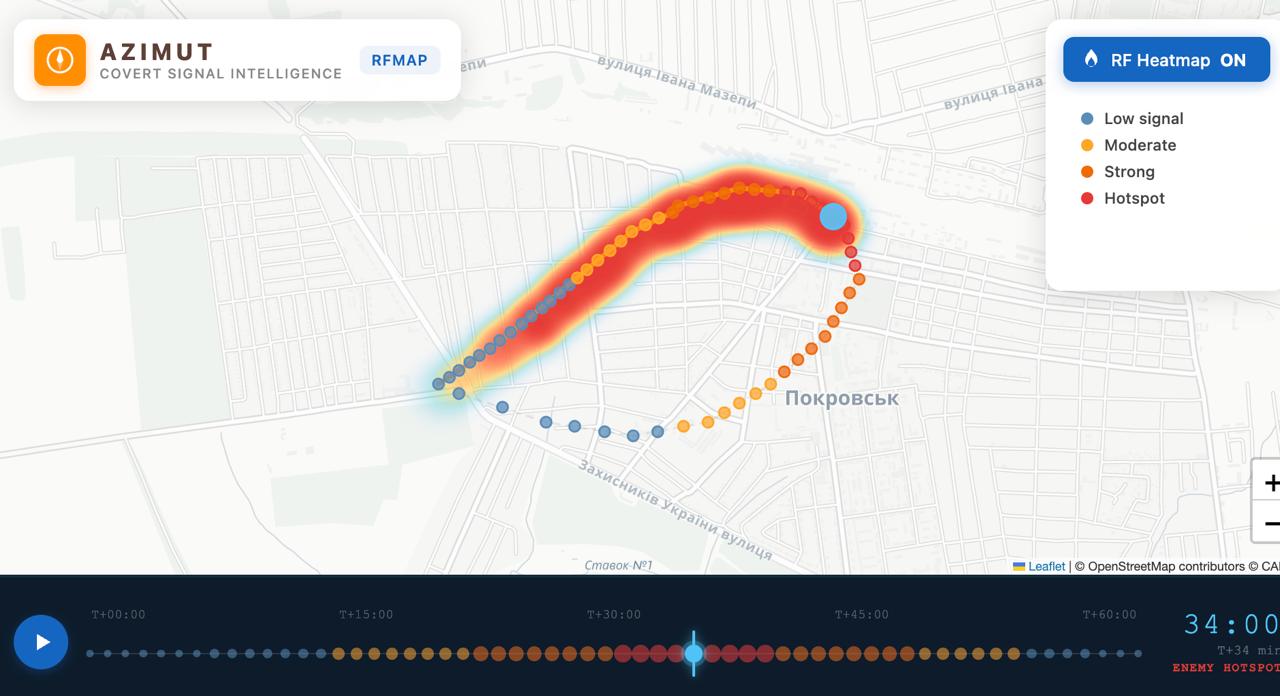
The map overlays signal strength in real time as an RF heatmap: low signal in blue, through orange and red to hotspot. The timeline at the bottom lets you scrub through a recording. A practical tool for understanding the electromagnetic environment around a patrol route.
Project highlight: RF Map
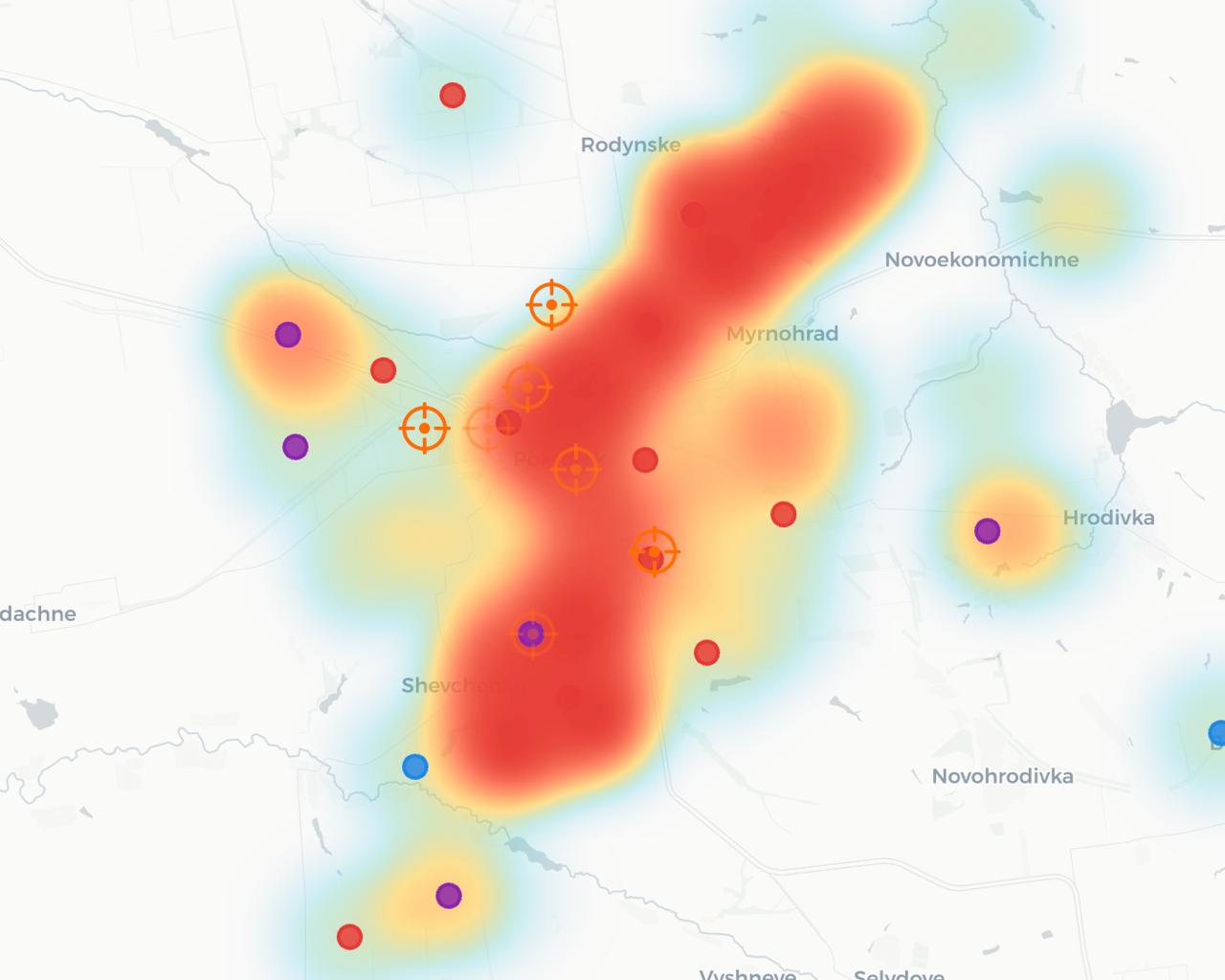
A second team wanted a similar map interface, this time for visualising RF spectrum usage across an area. I built woutersf.github.io/rfmap for them.
Project highlight: Sensor Spheres
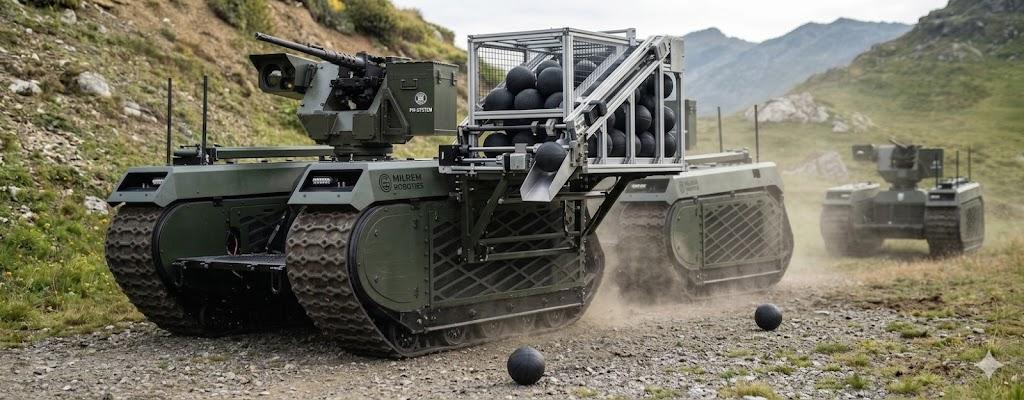
A third team took a different direction entirely: self-balancing sensor spheres deployed by an unmanned ground vehicle, forming a meshed network of RF sensors dropped across terrain without any soldier exposure. The spheres orient themselves after landing, keeping their antennas and sensors correctly positioned regardless of how they land.
Project highlight: 5G Drone Detection
A team of 5G specialists worked on detecting drones using 5G signal signatures. Drones interact with the RF environment in detectable ways, and people who know 5G deeply have a real advantage in identifying those patterns. I coached this team during the hackathon and the potential here is genuine.
Should you join?
People ask me whether it is worth joining if you are coming alone, without a team, and with a very specific skill set. The answer is yes, without hesitation.
The format is built for exactly that. You bring what you know. Others bring what they know. Teams form around problems, not the other way around. Whether you are a radio amateur, a developer, a hardware hacker, or a military specialist, there is a place for your contribution.
The next edition will be announced on inno4def.be. You can also follow them on LinkedIn.
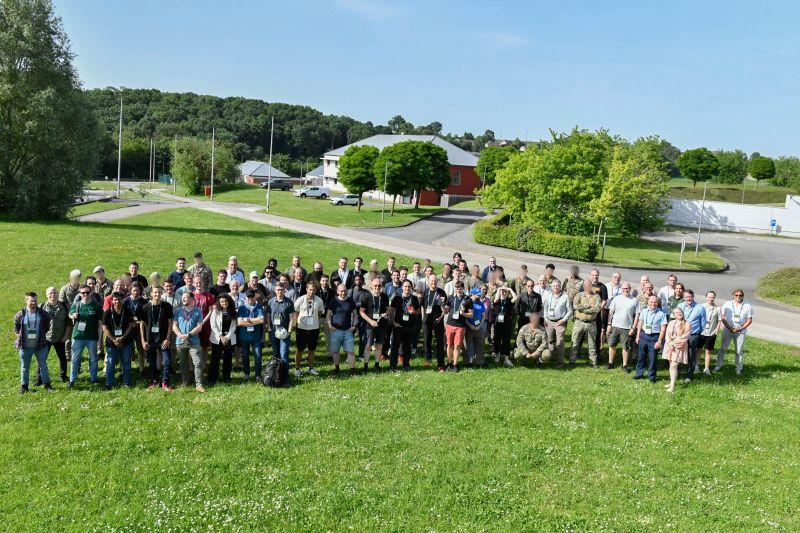
The jury consisted of senior military officers, including generals and colonels, alongside industry experts. They knew what they were looking at. Getting feedback from people with actual operational experience makes the presentations worth preparing for.
Thanks to all participants. You know who you are.
-... --- - .... ...-- / --... ...-- / ...-.-
Written with assistance from Dobbie, Frederik's AI assistant.